
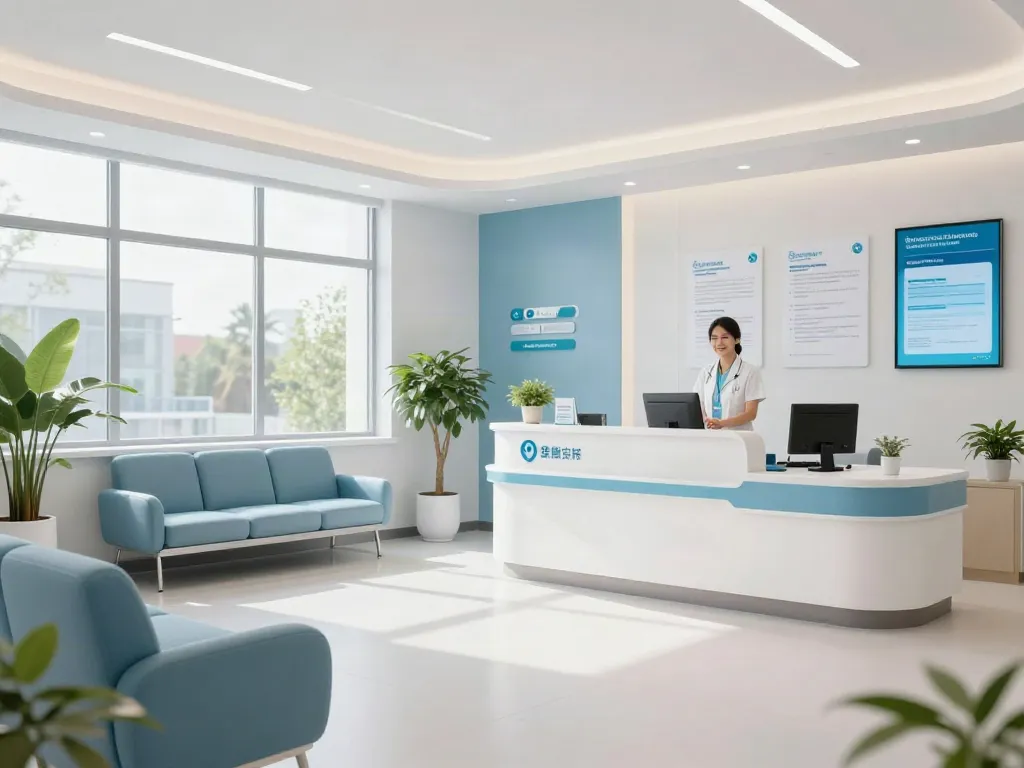
Understanding the Medical Services Landscape
In today's ever-evolving healthcare landscape, understanding the types of medical services available to you is essential for making informed decisions about your health. From primary care to specialized treatment options, navigating this complex system can seem daunting. However, it is crucial to know the different levels of care, what each entails, and how they contribute to comprehensive health management. Moreover, being informed can enhance your experience as a patient, allowing you to advocate for yourself effectively.
For instance, when exploring options, toto slot provides comprehensive insights into varying healthcare modalities that meet individual patient needs. This understanding can empower you as a health-conscious individual and help you connect effectively with your healthcare providers.
Overview of Primary Care Services
Primary care forms the bedrock of healthcare services, focusing on overall health and wellness, prevention, and treatment of common medical conditions. Primary care physicians (PCPs) are usually the first point of contact for patients and play an integral role in coordinating care across various specialties. They perform routine check-ups, offer preventive guidance, manage chronic illnesses, and refer patients to specialists when necessary. It is essential to establish a relationship with a trusted PCP who understands your health history, goals, and concerns. This can lead to better communication, more personalized care, and ultimately, improved health outcomes.
What to Expect from Specialized Care
Specialized care is necessary when a patient requires more in-depth examination and treatment for specific health issues. Specialists, such as cardiologists, endocrinologists, and orthopedists, have advanced training in their fields and can provide nuanced diagnostic and therapeutic strategies. When referred to a specialist, patients should expect a comprehensive evaluation that includes a review of their medical history, physical exams, relevant imaging studies, and laboratory tests. Typically, specialists will create a tailored treatment plan that may include medication management, surgical interventions, or ongoing monitoring, depending on the patient’s needs.
The Importance of Preventive Health Services
Preventive health services are vital for early detection, risk assessment, and patient education regarding health habits. Immunizations, routine screenings, and lifestyle counseling are critical components aimed at preventing illness before it starts or catching it in its early stages when it’s most treatable. Adhering to screening guidelines is particularly important for conditions like cancer, diabetes, and cardiovascular diseases. Preventive care emphasizes the importance of regular health check-ups and encourages proactive management of your health, making it a cornerstone of overall wellness.
Navigating Patient Care Best Practices
Optimizing your patient experience requires a collaborative approach between you and your healthcare providers. Understanding best practices can help you build effective partnerships in your care journey. This includes knowing your rights as a patient, what to communicate to your healthcare teams, and how to manage your health information securely.
Building Trust with Healthcare Providers
Establishing trust with your healthcare providers is essential for receiving effective care. Be open about your health concerns and history, and don’t hesitate to ask questions if something is unclear. A good provider-patient relationship is characterized by mutual respect, clear communication, and an understanding of your individual health goals. Building this rapport can lead to better adherence to treatment plans and improved health outcomes.
Effective Communication in Doctor Consultations
Effective communication can significantly enhance the quality of care you receive. Prepare for medical appointments by compiling the following: a list of current medications, any allergies, your medical history, and specific questions you might have. During consultations, don’t shy away from discussing your concerns or preferences. Always clarify medical terminology and ask for explanations in layman's language to ensure you fully comprehend any proposed treatments or procedures.
Patient Rights and Responsibilities
As a patient, it is essential to be aware of your rights and responsibilities in the healthcare system. Patients have the right to receive information about their health status, the methods of treatment, and to participate in decision-making concerning their healthcare. Equally, patients hold the responsibility to provide accurate health information, comply with treatment plans, and respect the healthcare provider’s time and expertise. This mutual understanding fosters an environment conducive to effective health management.
Preventive Health and Wellness Screenings
Routine screenings and preventive services can play an instrumental role in maintaining health and avoiding serious chronic conditions. Understanding which screenings you need and at what intervals is critical as you age.
Recommended Screenings for Adults in 2026
In 2026, adults are encouraged to follow established guidelines for routine health screenings, including but not limited to blood pressure checks, cholesterol screenings, diabetes tests, and cancer screenings such as mammograms and colonoscopies. The frequency of these screenings may vary based on individual risk factors, family history, and previous test results. Always consult with your primary care provider to create a personalized screening schedule tailored to your health needs.
Children’s Health: Essential Screenings
Children should undergo various screenings throughout their developmental years. These include vision and hearing assessments, developmental screenings, and specific vaccinations. Regular check-ups allow for monitoring growth and development and provide opportunities for early detection of potential health issues. Parents should engage actively in their children’s health care by ensuring they adhere to recommended vaccination schedules and maintaining open lines of communication with their pediatricians.
Managing Chronic Conditions Through Prevention
For patients with chronic health conditions like asthma, diabetes, or heart disease, preventive care is crucial for management and maintenance of health. Monitoring symptoms, adhering to medication plans, and actively engaging in lifestyle changes can dramatically impact the patient’s quality of life. Regular provider visits, education on the condition, and a collaborative care plan are vital components in controlling chronic illness and preventing complications.
Mental Health Awareness and Treatment Options
Mental health is an integral part of overall well-being, yet it often receives less attention than physical health. Awareness of mental health disorders and available treatment options can lead to effective management and improved life quality.
Understanding Mental Health Disorders
Mental health disorders such as anxiety, depression, bipolar disorder, and schizophrenia affect millions globally. Understanding the symptoms and early warning signs is essential for timely intervention. Symptoms may include changes in mood, behavior, or thinking patterns. If you or someone you know experiences these changes, it’s crucial to seek professional help.
Accessing Mental Health Resources
Numerous resources are available for individuals seeking mental health support. Primary care physicians can be an excellent starting point for referrals to mental health professionals, including psychologists and psychiatrists. Many communities offer local support groups and mental health organizations, which can provide valuable resources and guidance.
Innovative Approaches in Mental Health Care
Innovative mental health strategies have emerged in recent years, including teletherapy and mobile apps designed for mental wellness. These options can offer patients flexibility and increased access to care. Mindfulness practices, peer support, and holistic approaches can also complement traditional treatments, promoting a more comprehensive approach to mental health.
Exploring Telemedicine and Digital Health Innovations
The integration of telemedicine into healthcare allows for more accessible and efficient patient care. As technology rapidly advances, so too does the ability to manage health remotely without sacrificing quality.
The Rise of Telehealth Services
Telehealth services have grown exponentially in response to patient needs for accessibility and convenience. Patients can now consult with doctors via video calls or secure messaging, providing a safe and efficient way to receive care while minimizing travel and wait times. This approach is particularly beneficial for those managing chronic conditions, requiring routine follow-ups, or those living in rural areas.
How Technology Enhances Patient Experience
Technological innovations enhance the patient experience through electronic health records (EHRs), patient portals, and health management apps. EHRs enable better care coordination among providers, while patient portals allow individuals to manage appointments, access health information, and communicate with medical teams more effectively. These tools foster patient empowerment and engagement in their health strategy.
Cost Transparency in Telemedicine
Cost transparency has become a critical topic of discussion in healthcare, particularly concerning telemedicine services. Understanding the costs associated with various services can help patients make informed decisions. Insurance companies are increasingly specifying coverage details for telehealth services, and patients should inquire about costs prior to consultations to avoid surprises.
FAQs
What are the benefits of preventive healthcare?
Preventive healthcare helps identify potential health problems before they become serious, thus reducing the need for advanced medical interventions. It often results in healthier lifestyle choices and can lead to improved quality of life.
How can I find a trusted healthcare provider?
Finding a trusted healthcare provider can involve asking for recommendations from friends and family, checking online reviews, and verifying credentials through local medical boards. It is essential to choose a provider with whom you feel comfortable discussing your health concerns.
What should I expect during a telehealth consultation?
During a telehealth consultation, expect to share your medical history and any current symptoms. Ensure you have a reliable internet connection and a private area for conversation. Your provider may recommend treatment options or further testing based on your discussion.